The route begins in the municipality of Cabezabellosa, taking the Church as a reference, we do not head down Calle de las Huertas until we come to a road where we find some old washing places. We will walk the first half of the route along a dirt track and in sections paved, which crosses a forest of enormous oaks. We share the route with the route known in the town as the Romanejo Oak Route, a centenary tree declared a “Singular Tree”.
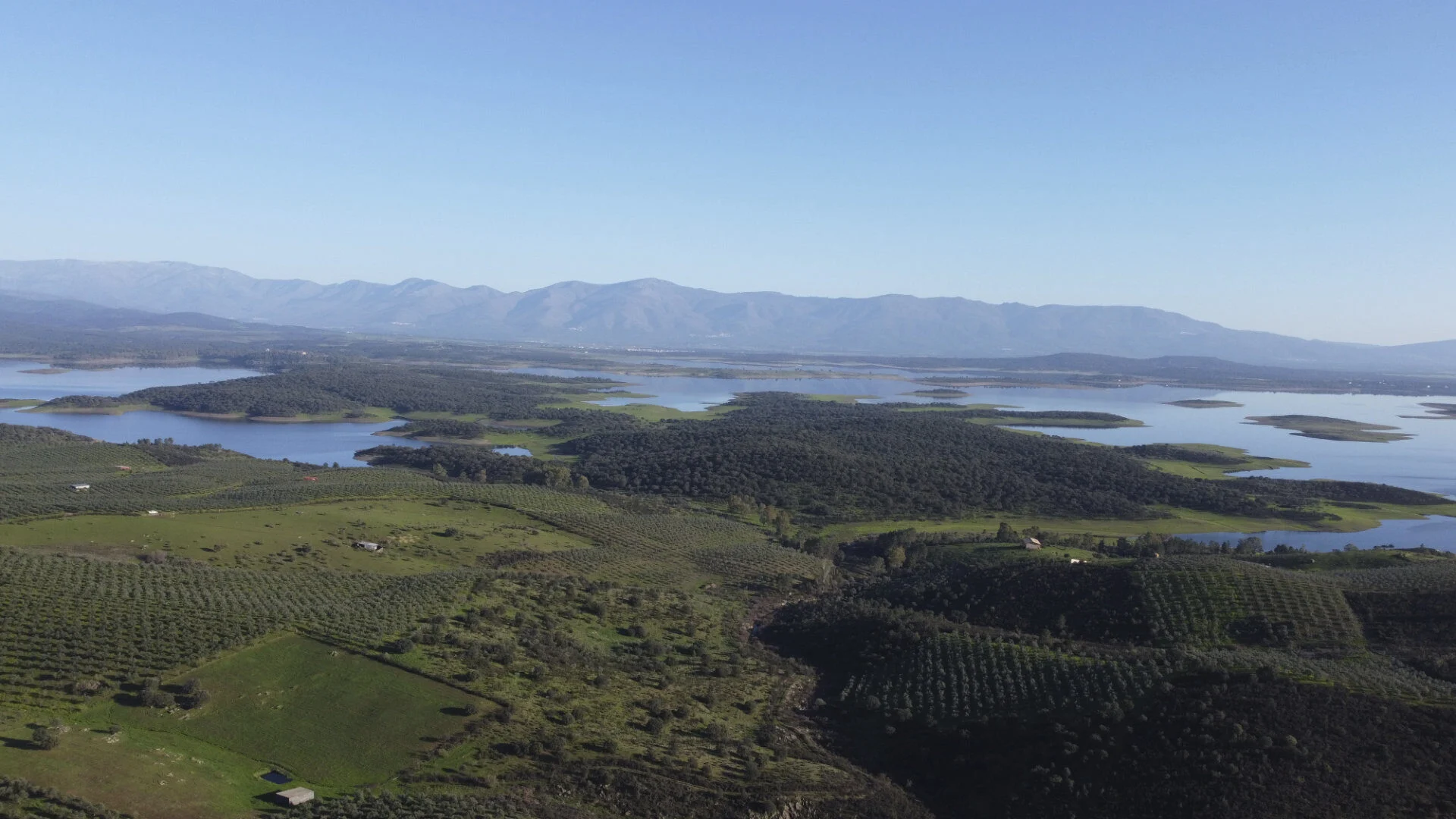
We will join another dirt track with the same characteristics as the one we were on, heading towards the “Ventorro de Sangamello” where an old inn is located, now in ruins. The views now are towards the Jerte Valley and the dam on the Jerte River. The Cabezabellosa mountains show the reason for the beginning of the pipeline, and how the site is perfect for collecting water and directing it towards Plasencia.
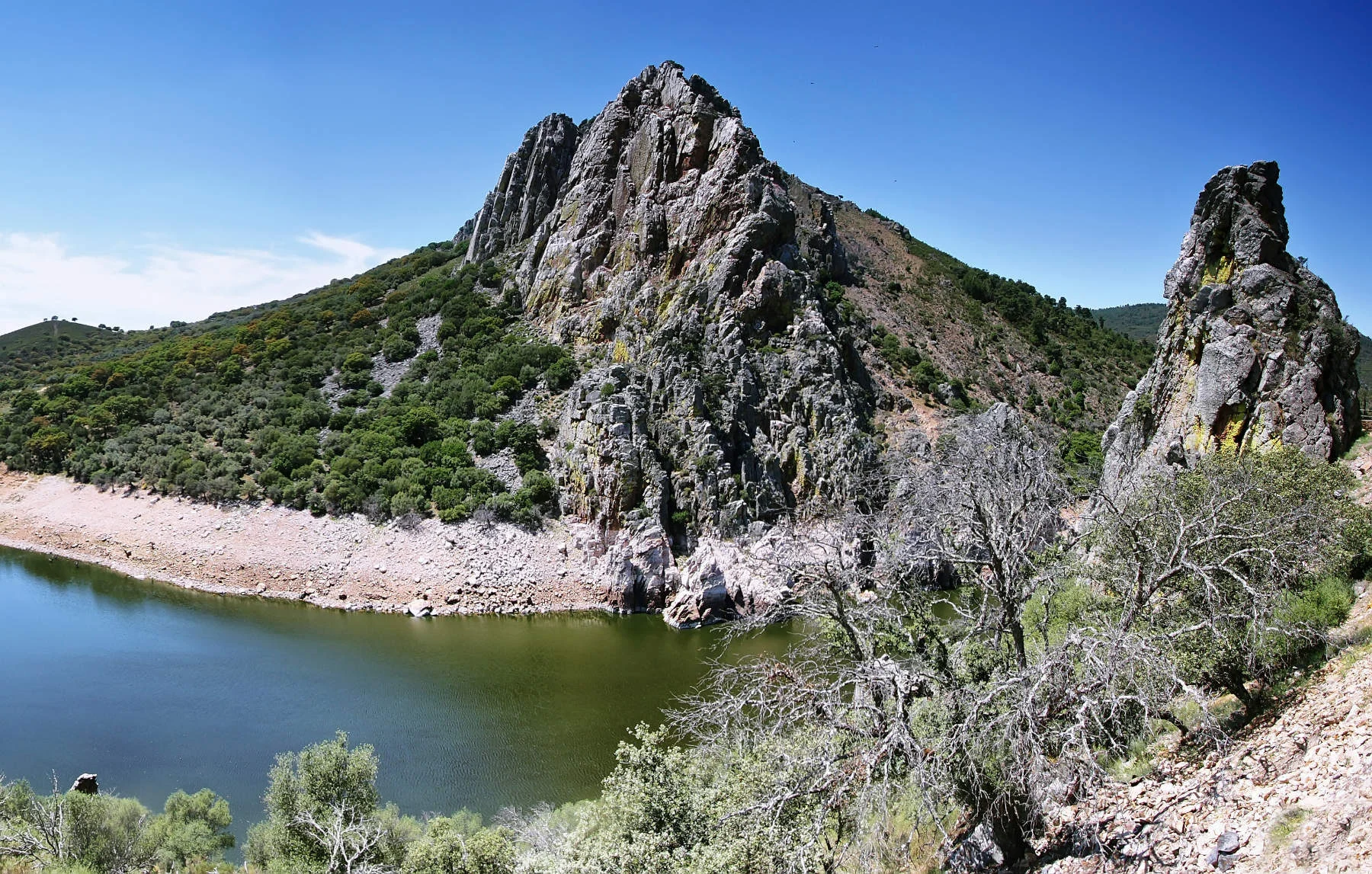
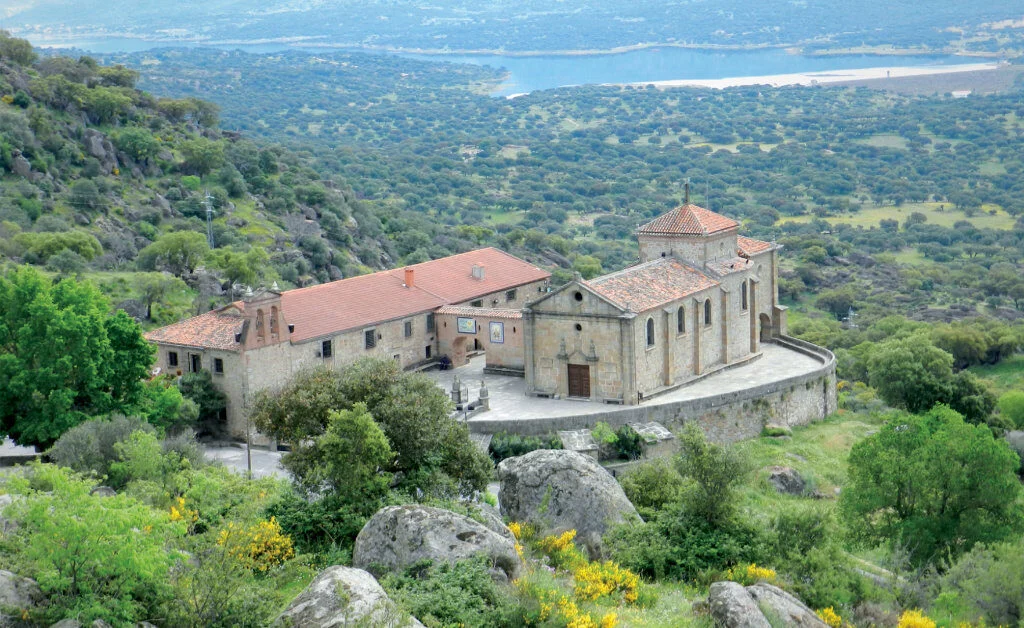
Approximately one kilometer from the Port of Sangamello we will turn to the right along a fairly clear path, from where the route of the pipeline can be seen more clearly. We will walk over the old pipe perfectly visible in some sections, as we pass we will find wells and stone cairns that confirm the route. We will pass through a rocky area that serves as home to several pairs of griffon vultures, something known to very few. We continue until we pass by the Fuente de los Barreros and the Camino Viejo del Puerto, an old medieval road. Part of the pipeline route was destroyed when creating the road up to the Hermitage. We will continue down the Camino Viejo del Puerto until we reach the Parque de los Pinos, in the center of the city.
The most original and unique faunal component associated with the environments of this route is closely linked to the pasture, especially in its final part. Thus we can find mammals such as the fox (Vulpes vulpes), a varied birdlife composed of the short-toed eagle (Circaetus gallicus). red kite (Milvus milvus), common shrike (lanius senator), blackbird (Turdus merula), whitetail (Cyanopica cyana), black kite (Milvus migrans) or chaffinch (Fringilla coelebs). In short, a wide compendium of animal species associated with a plant structure composed of cork oak (Quercus suber), holm oak (Quercus ilex), pyruétano (Pyrus bourgaeana), cornicabra (Pistacea terebinthus), rusco (Ruscus acuteatus), hackberry (Celtis australis), hawthorn (Crataegus monogyna) or wild olive (Olea europaea).