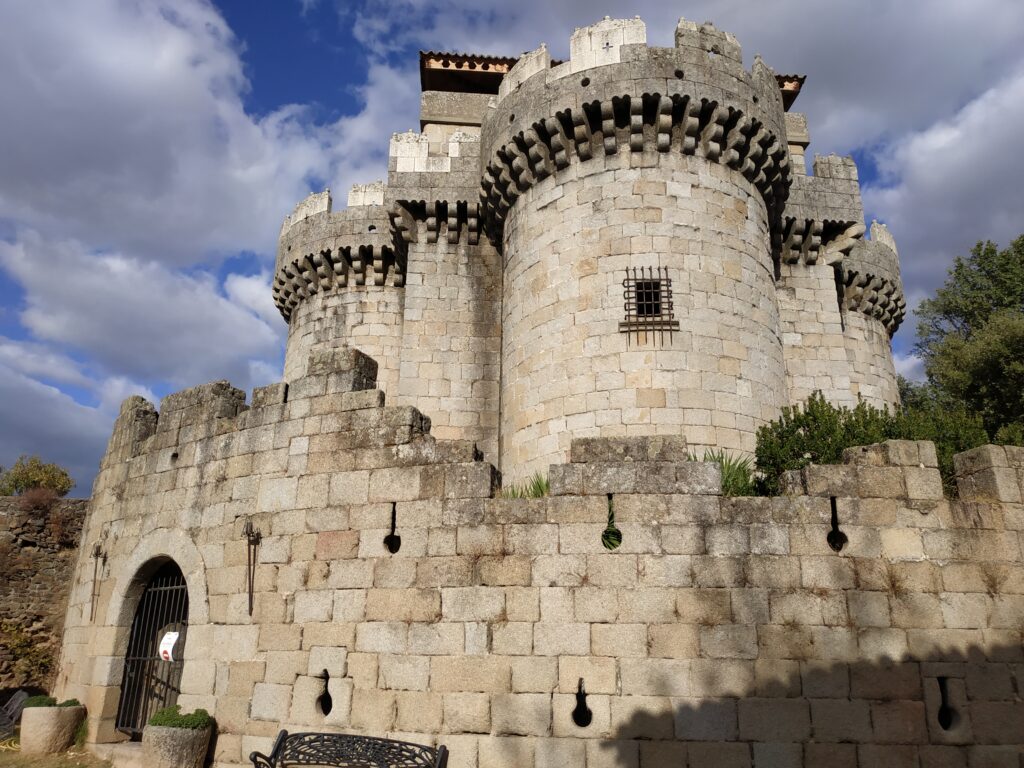
Nestled in a unique natural environment, the town of Granadilla, in the province of Cáceres, hides a history that, although marked by the sadness of abandonment, is also an example of how human beings adapt and seek new opportunities in difficult times. Today we want to tell you more about this place full of memory and about the colonization towns that were born in its surroundings.
The abandonment of Granadilla: when water transforms the land
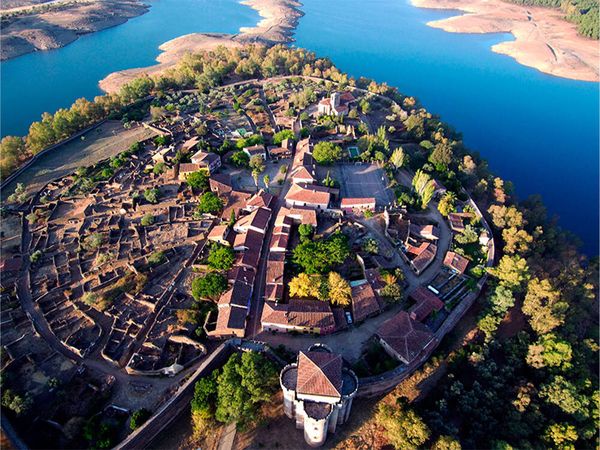
Granadilla, an old walled town with medieval roots, experienced a turning point in 1955, when it was evicted due to the construction of the Gabriel y Galán Reservoir. The reservoir, created to take advantage of the waters of the Alagón River, was projected as a key work for the agricultural and energy development of the region. However, the lands surrounding Granadilla were flooded, turning the town into an isolated peninsula, which led to its expropriation and the forced exodus of its inhabitants.
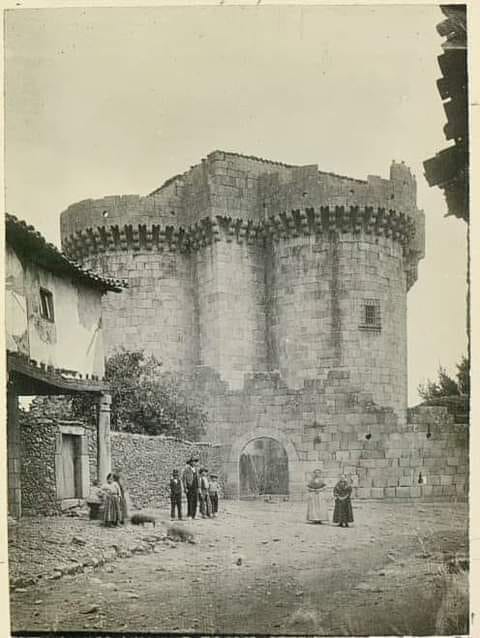
Families that had been rooted in this corner of Extremadura for generations had to abandon their homes, leaving behind not only their property, but also their history and traditions. Today, Granadilla remains a partially restored ghost town, a place that invites us to reflect on the human impact of large infrastructure works.
The colonization peoples: rebirth in the promised land
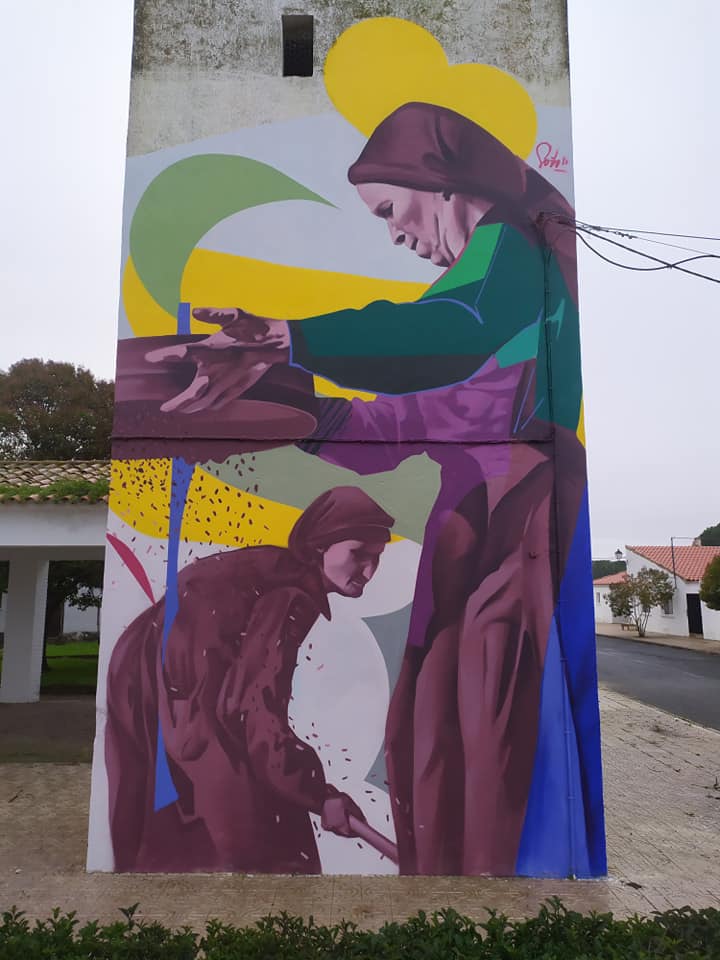
To compensate for the loss of fertile land and relocate families affected by the creation of the reservoir, during the 1950s and 1960s the creation of so-called colonization towns was promoted in the area. This project was part of the ambitious plan of the National Colonization Institute, which sought to transform rural areas of Spain by building new settlements on land irrigated by reservoirs.
Near the Gabriel y Galán reservoir, towns such as Guijo de Granadilla and Zarza de Granadilla emerged. These towns offered displaced inhabitants new homes, land to farm, and the chance to start over in an environment planned and designed for agricultural work. Although not all the former inhabitants of Granadilla moved to these towns, many found in them a second opportunity to put down roots and rebuild their lives.
Next, we will tell you more about two of the most representative towns of this transformation: Guijo de Granadilla and Zarza de Granadilla.
Guijo de Granadilla: History and traditions anchored to the land
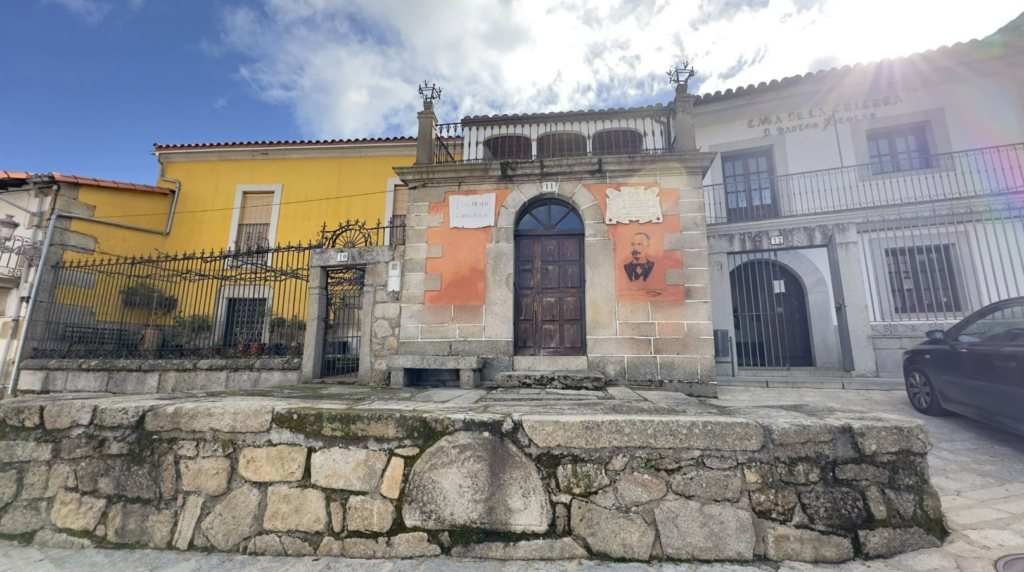
Guijo de Granadilla, located to the west of the reservoir, is a clear example of the urban planning that characterized the colonization towns. Its name pays tribute to the ancient town of Granadilla, from which many of its inhabitants came. In its origins, Guijo was designed to become a productive agricultural center, with spacious homes, irrigated crop plots and a system of streets organized to facilitate the lives of the settlers.
A curious fact is that Guijo de Granadilla has managed to keep alive some of the cultural traditions inherited from its ancient settlers, such as the typical gastronomy (calderetas and sausages) and the patron saint festivals dedicated to San Antón. Its natural environment, surrounded by pastures and views of the reservoir, makes it a perfect place for those seeking tranquility and contact with nature.
Recommendation: If you visit Guijo de Granadilla, take the opportunity to explore its surroundings and explore the routes that border the reservoir, ideal for walkers and cyclists.
Zarza de Granadilla: A community that grew with water
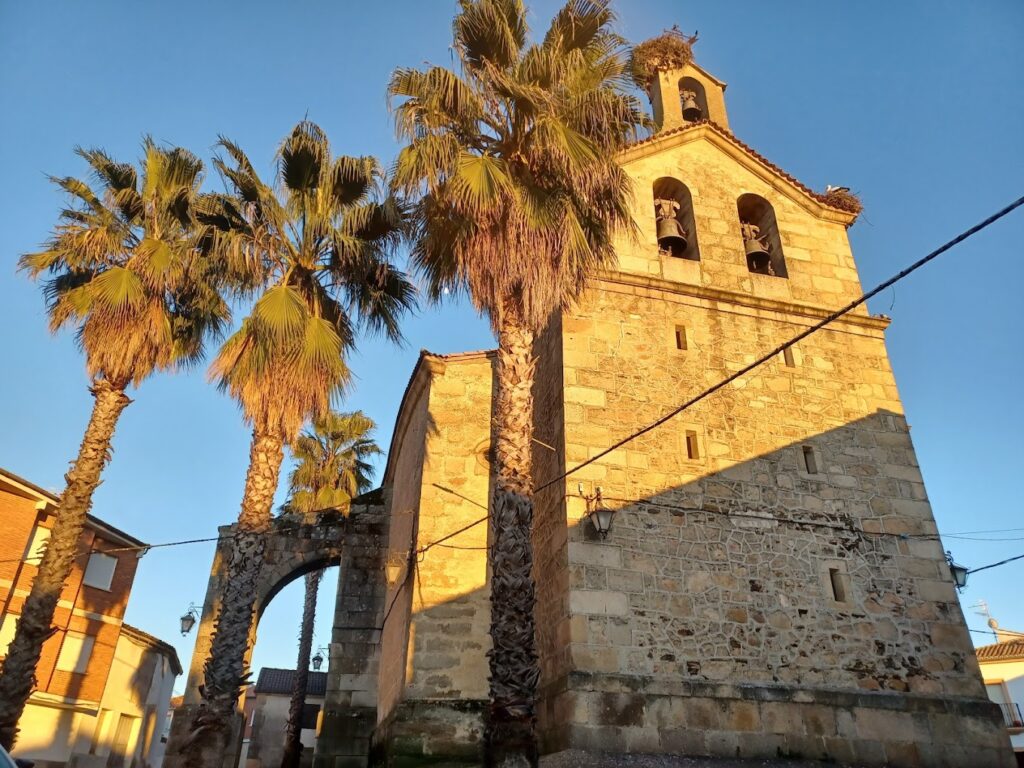
Zarza de Granadilla, another of the most emblematic colonization towns in the north of Cáceres, stands out for being one of the largest centers created during this stage. Its design follows the principles of colonization settlements: wide streets, a central square that acts as a meeting point and a clear focus on agricultural activity.
What makes Zarza de Granadilla special is the way in which the water of the reservoir has shaped its identity. Since its foundation, irrigated agriculture has been the economic engine of the town, with crops such as corn, tobacco and fruit trees that take advantage of the irrigation system installed thanks to the reservoir. This development allowed Zarza to grow rapidly, attracting not only families evicted from Granadilla, but also workers from other areas.
Today, Zarza de Granadilla is a vibrant and hospitable community, with a marked rural character and a natural environment that invites rest and disconnection. Its inhabitants, proud of their history, continue to transmit the cultural and agricultural legacy to new generations.
Don’t miss: The visit to the Church of Our Lady of the Assumption, located in the heart of the town, and the activities related to nature around the reservoir.
In short: A visit that connects past and present
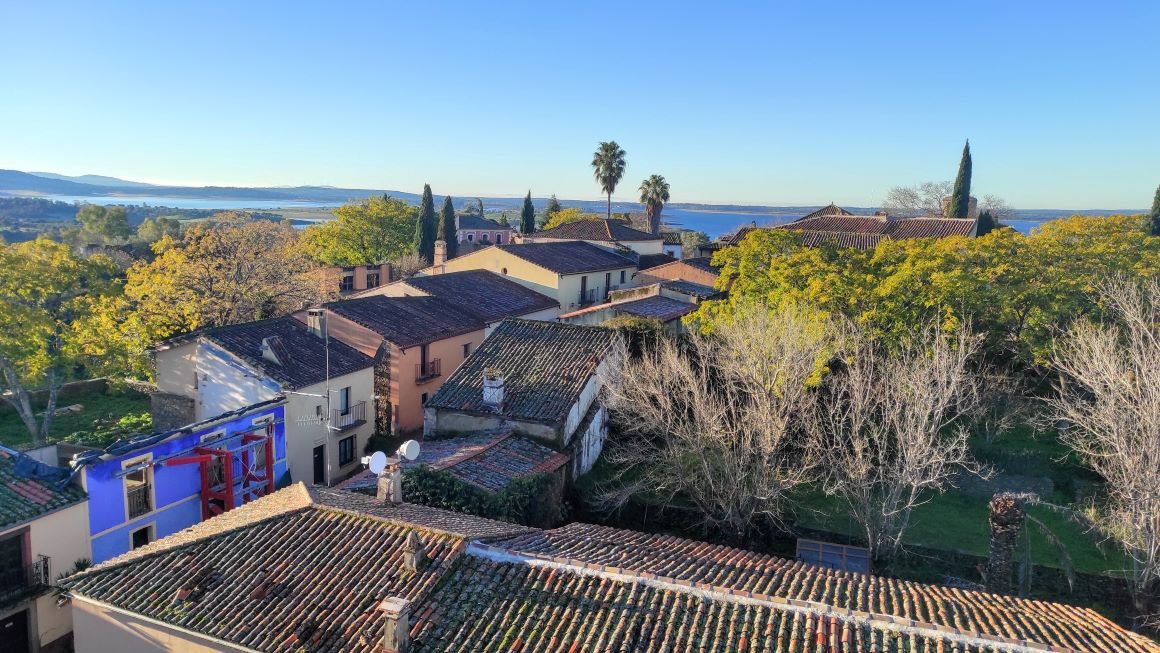
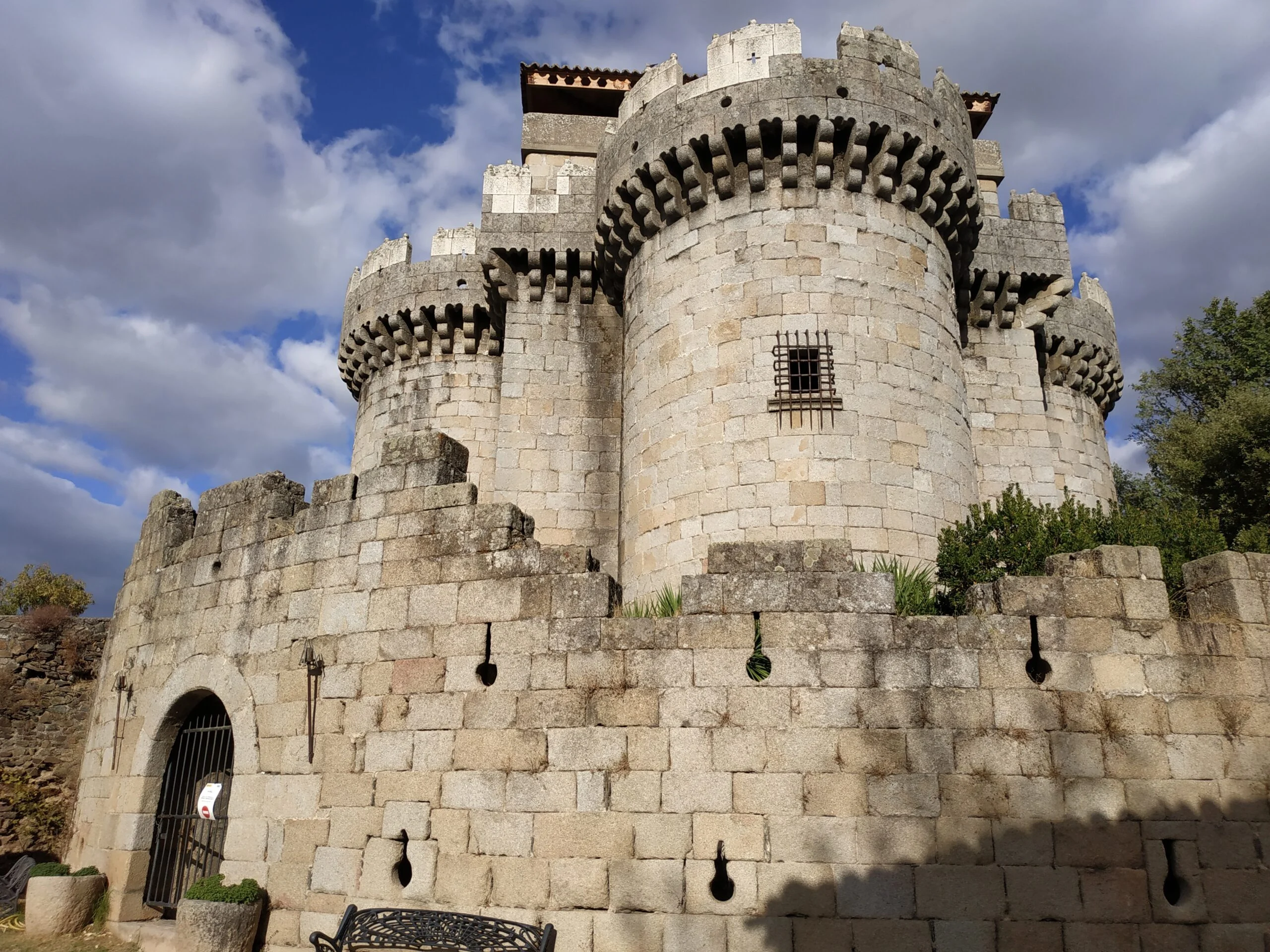
Today, Granadilla is a town steeped in history and declared Historical-Artistic Site in 1980. Thanks to rehabilitation projects, its cobblestone streets, its imposing Almohad wall and its keep breathe life again, even if it is as a silent witness to a difficult past.
If you visit our Rural House, you cannot miss taking an excursion to this town frozen in time. From its heights, you can contemplate the waters of the Gabriel y Galán reservoir, whose calm mirror contrasts with the history of uprooting that gave rise to this region as we know it today.
In addition, we encourage you to explore the colonization towns that were built as a symbol of resilience. Each one has its own character, but they all share the memory of a chapter of transformation in Extremadura.
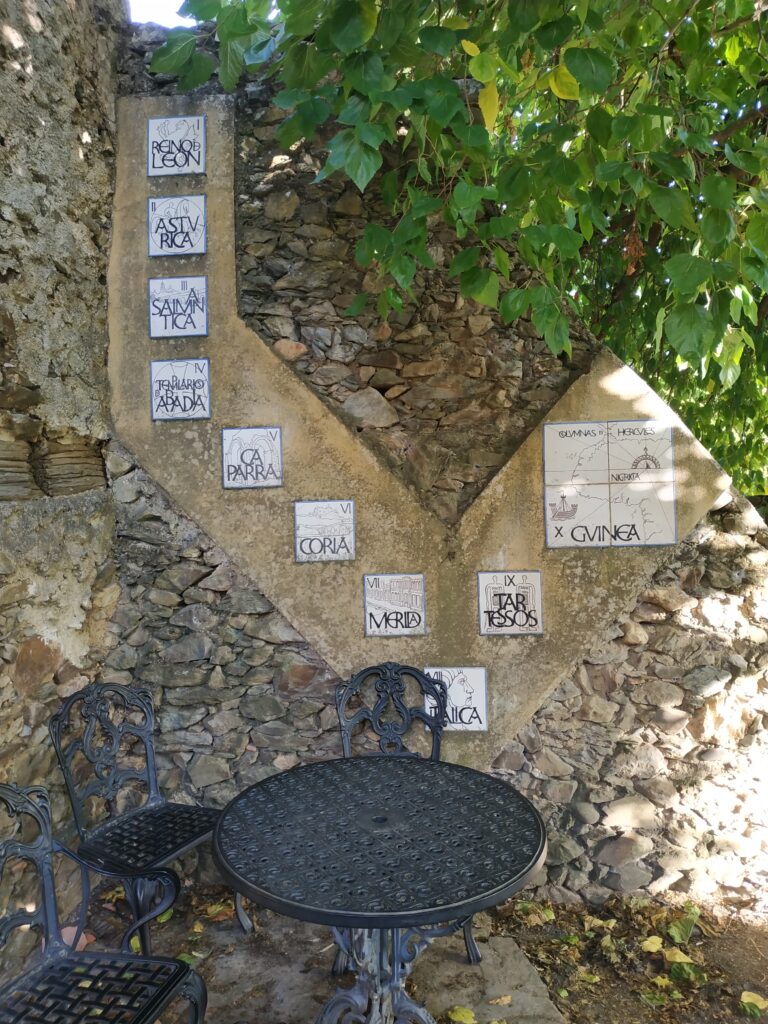
The surroundings of Granadilla and the nearby towns are not only an ideal destination for history lovers, but also for those looking to disconnect and enjoy unique landscapes. You can immerse yourself in this corner of Extremadura, walking through the traces of the past while enjoying the present.
We invite you to discover this fascinating history and explore everything the area has to offer. We are sure it will surprise you!