A walk between art and nature
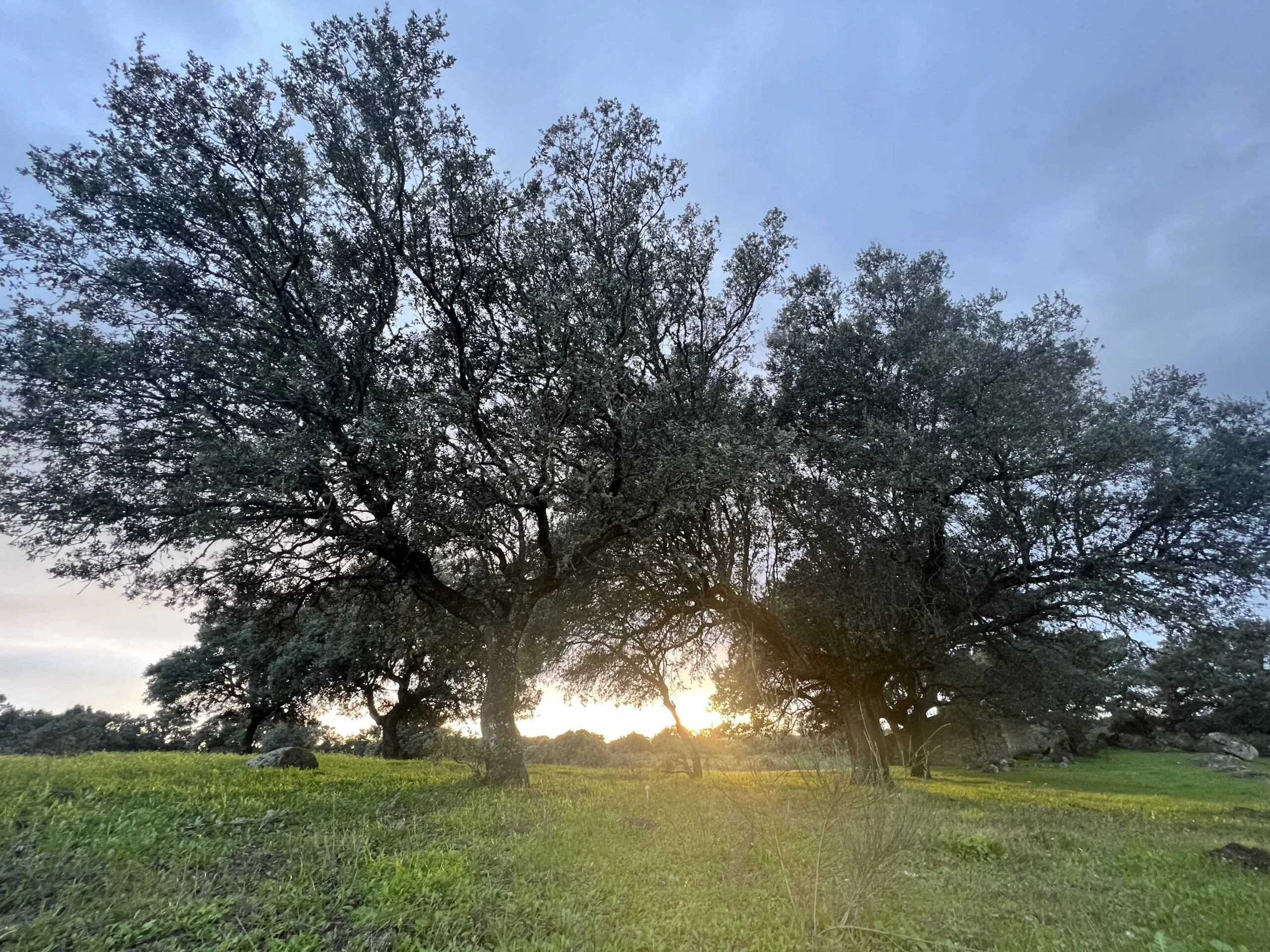
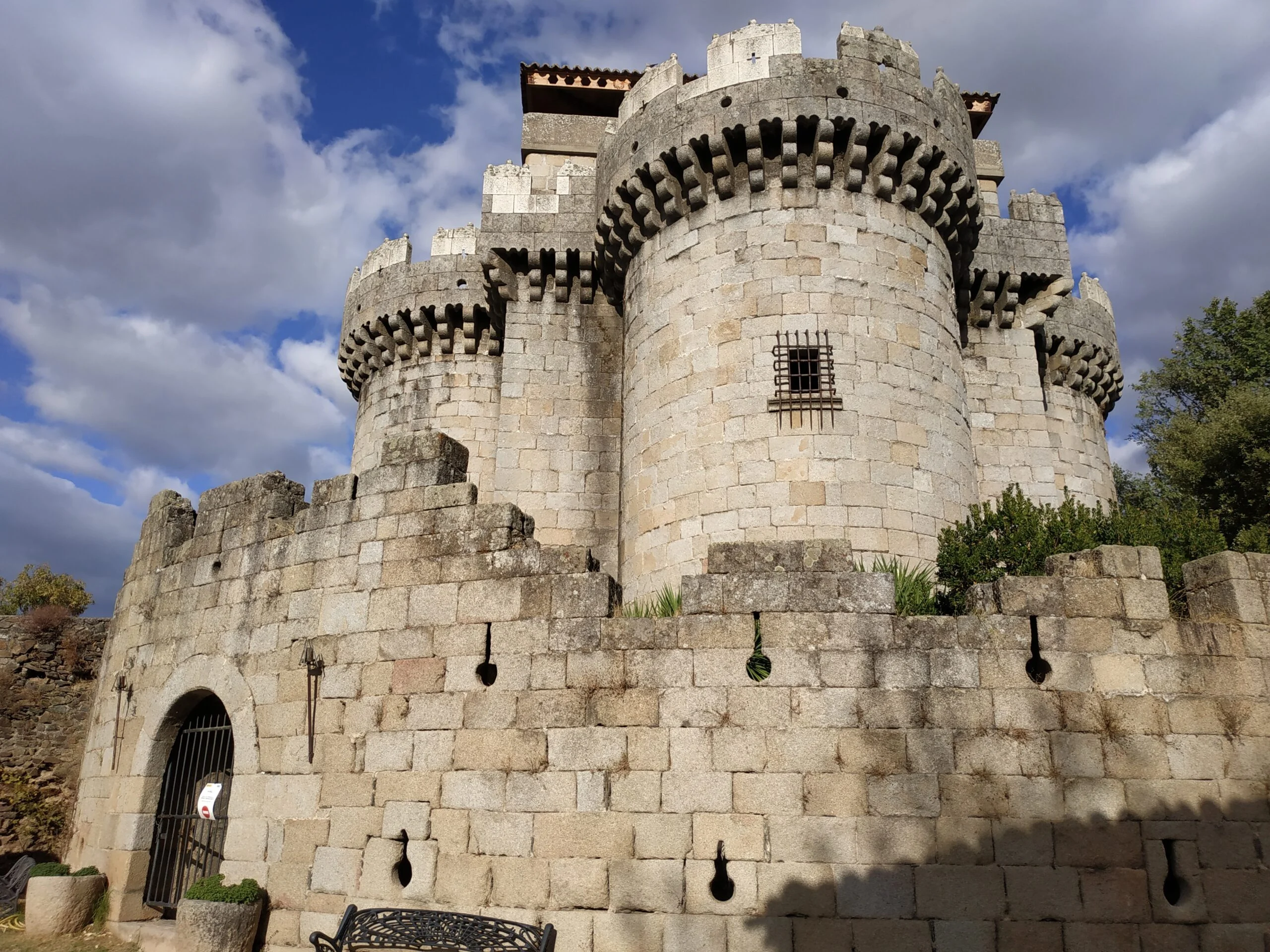
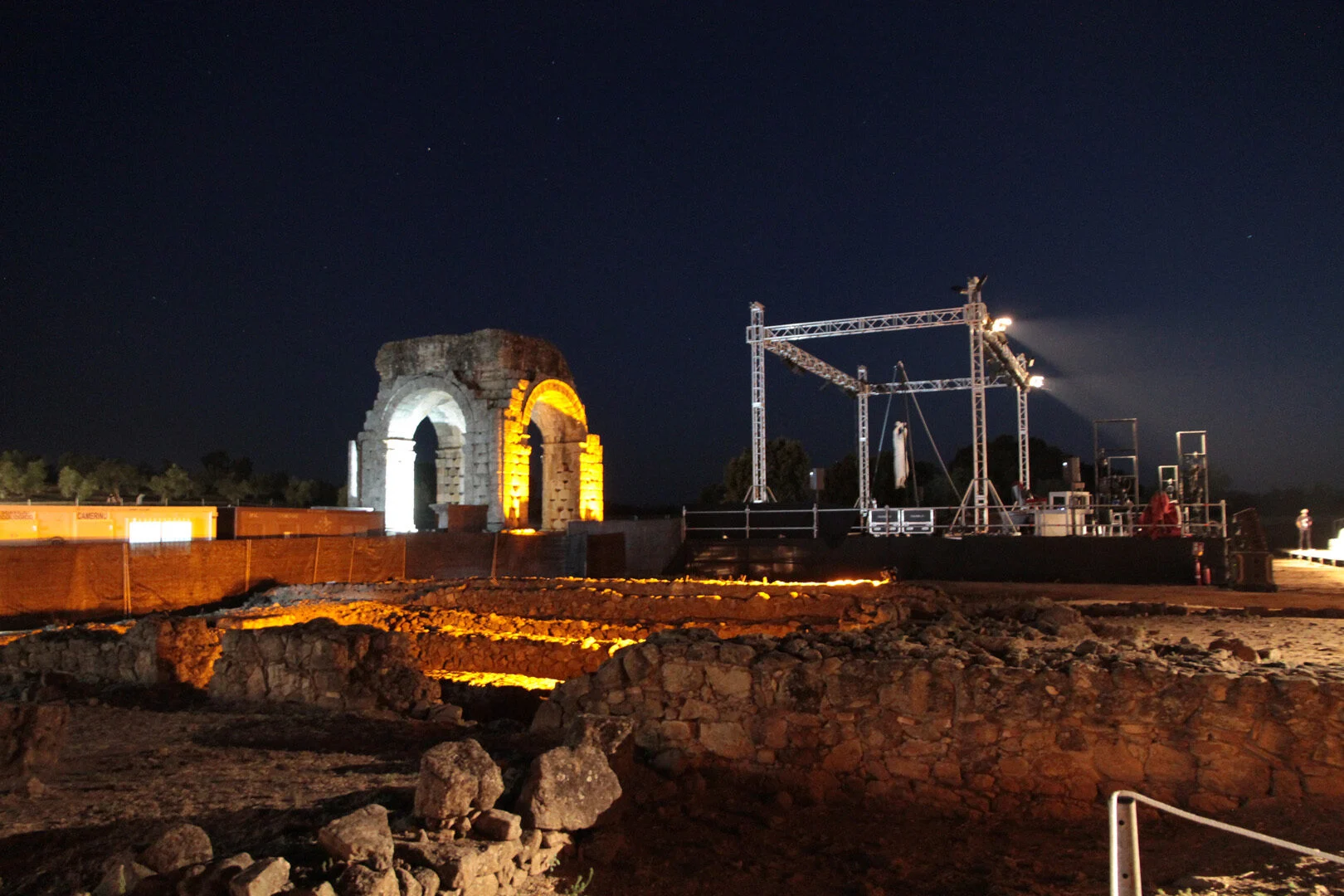
In the middle of the tranquility of northern Extremadura, surrounded by nature, history and starry skies, is Villar de Plasencia, a small town with a big soul. Here, where life flows unhurriedly and the silence has the flavor of the countryside, it is possible to find beauty in the most unexpected details.
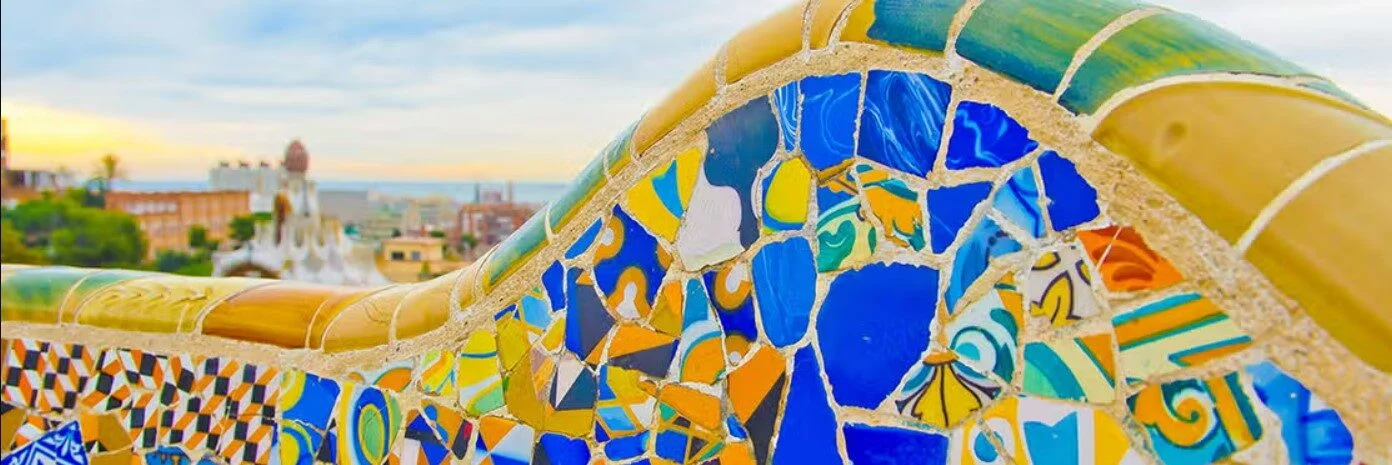
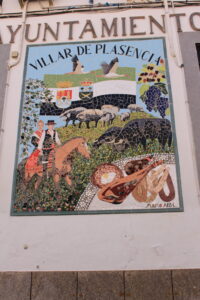
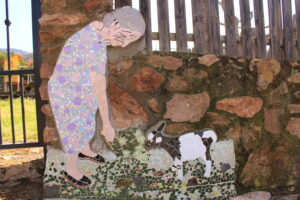
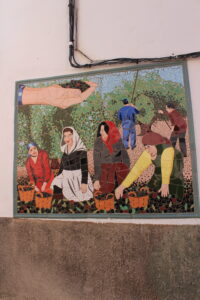
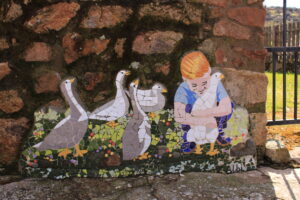
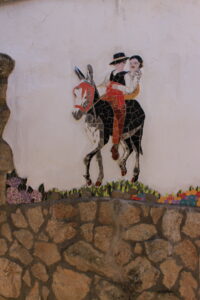
A well-placed stone, an aged wrought iron fence, a vine that hugs a century-old façade… and, in some corners, a mosaic full of color that surprises the walker. They are the vestiges of the art of Mario Albi, who, in Villar de Plasencia, used the trencadís technique to leave a creative and unique mark on the town’s landscape.
From Villabellosa, our rural house nestled in this privileged environment, we want to pay a small tribute to this very special art form and the man who brought it here. Because trencadís is not only a decorative technique: it is also a way of looking at the world, of recovering what is broken and turning it into something beautiful. A perfect metaphor for what life in the rural environment represents.
Source: Own creation.
The trencadís, Gaudí and Mario Albi
What is trencadís?
Trencadís (which in Catalan means “chopped” or “broken”) is an artistic technique based on creating mosaics with broken ceramic fragments. Pieces of tiles, plates, cups, stoneware, glass or earthenware are used to cover surfaces with compositions full of color and texture.
This technique became popular in Catalan modernism, especially thanks to Antoni Gaudí, who used it masterfully in such emblematic works as Park Güell or Casa Batlló. Gaudí saw broken fragments as a form of creative and sustainable recycling, an opportunity to give new life to what others discarded. Instead of hiding imperfections, he celebrated them.
The trencadís arrives in Villar de Plasencia
Although this technique has its origins hundreds of kilometers away, the spirit of trencadís found an echo here, in Villar de Plasencia, thanks to a singular artist: Mario Albi. It was he, and only him, who brought this form of expression to our people. With patience, sensitivity and a very personal vision, Albi integrated the trencadís in various corners of the town, giving us small artistic jewels that today are part of the everyday landscape.
His art arose from the desire to beautify the common, to connect with the place, to express his inner world through materials that others would have discarded. In each of his works there is a balance between the spontaneous and the thought, between technique and emotion. Those of us who live here, or those who visit us and discover his mosaics by chance, feel that his art continues to speak, even though he is no longer physically among us.
Source: Own creation.
The silent legacy of Mario Albi
Mario Albi’s mosaics do not have posters or display cases. There are no official routes or tourist guides that highlight them. They are there, as part of the soul of the town. And that is precisely what makes them so valuable.
There is something deeply moving about finding art in unexpected places. In which any wall, a staircase, a fountain or a forgotten corner suddenly reveal a composition made of broken colors, which are assembled as pieces of a common memory.
Those mosaics don’t scream. They whisper. And that whisper connects with those who know how to look closely, with those who value detail, dedication, imperfect beauty.
In Villabellosa, where we welcome travelers who seek to disconnect from the noise, rediscover the essentials and let themselves be carried away by the calm of the rural environment, we feel that this type of art deeply connects with our purpose: to make everyday life something worth admiring.
Source: Own creation.
Trencadís at home: how to do this technique (and why you should try it).
What do you need?
One of the charms of trencadís is that it is accessible and sustainable. You don’t need to have artistic training or sophisticated tools. You only need:
- Broken ceramic or glass pieces (tiles, plates, mugs, etc.)
- A rag and a hammer to break them safely
- A strong adhesive (such as cement glue or special silicone)
- A surface to work on (a table, a flowerpot, a wall…)
- Gluter or mortar to fill joints
- A spatula, gloves and sponge for finishing
How to do it?
- Carefully break the materials: cover them with a cloth and tap gently with the hammer. This way you prevent the fragments from jumping.
- Plan your design: you can improvise or draw a sketch. It doesn’t have to be perfect.
- Paste the fragments on the surface: play with colors, sizes and shapes.
- Fill the joints with grout or mortar: distribute it well with a spatula.
- Wipe off any residue with a damp sponge before it dries completely.
- Let it dry… and admire your creation.
Why do it?
Trencadís is much more than a decorative technique. It is a way of:
- Recycle creatively
- Reconnect with the manual
- Express yourself without rules
- Transform broken objects into something new and beautiful
- Relax and meditate while you create
In addition, when doing it in an environment like Villabellosa, outdoors, among the sounds of birds and the smell of thyme, the experience becomes even more special.
Source: Own creation.
In short: Recompose, reinterpret, remember
Villabellosa and the art that lasts
At Villabellosa we believe in the power of craftsmanship, of simplicity, of what is born with soul. That’s why the trencadís inspires us: it reminds us that even what seems broken can be beautiful if you look at it with different eyes.
Our visitors usually look for nature, tranquility and authenticity. But also, without expecting it, they discover that creativity also lives here, between wood, ceramics, plants and hands that work with love.
We invite all who visit us to walk through Villar de Plasencia, to stop in front of the mosaics of Mario Albi, to observe in silence… and to imagine what the artist wanted to tell in each work. Because true art does not need words: it is felt.
Source: Own creation.
🖋️ Epilogue: in memory of Mario Albi
Thank you, Mario, for looking differently. For not throwing away what others discarded. For teaching us that art does not need a stage, only intention. That any wall can tell a story. That a fragment, although broken, still has value.